

Introduction
If you have spent any time researching digital marketing, you have probably come across the term “content marketing.” Businesses of all sizes, from startups to global corporations, use content marketing to attract customers, build trust, and grow their brands. Yet many people still ask a simple question: How do you define content marketing?
Content marketing is one of the most effective marketing strategies in the modern digital landscape. Unlike traditional advertising, which focuses on directly promoting products or services, content marketing centers on providing valuable, relevant, and engaging content to a target audience. The goal is not simply to sell but to educate, inform, entertain, and build long-term relationships with potential customers.
In this comprehensive guide, we will define content marketing, explain how it works, discuss its benefits, explore different types of content marketing, and provide practical tips for creating a successful content marketing strategy.
Define Content Marketing
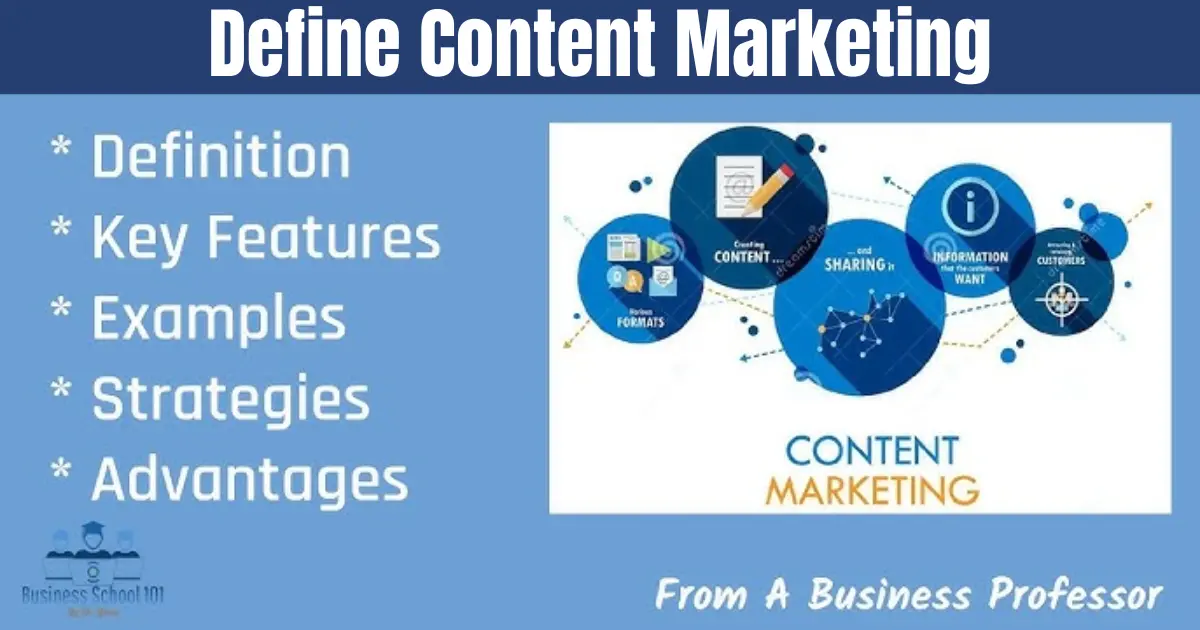
To define content marketing in simple terms, it is a strategic marketing approach that involves creating and distributing valuable, relevant, and consistent content to attract and retain a clearly defined audience.
The ultimate objective of content marketing is to encourage profitable customer actions. Instead of pushing products through aggressive sales messages, businesses provide useful information that helps consumers solve problems, answer questions, or achieve goals.
For example, a fitness company may publish workout guides, nutrition tips, and exercise videos. While the content itself is educational, it also helps establish the company as a trusted authority in the fitness industry. Over time, readers and viewers are more likely to purchase products or services from a brand they trust.
In essence, content marketing focuses on delivering value first and generating sales second.
Why Content Marketing Matters
Modern consumers are more informed than ever before. They conduct research, compare options, read reviews, and seek expert advice before making purchasing decisions.
Traditional advertising often interrupts consumers, while content marketing attracts them naturally. When businesses provide valuable information, they become a trusted resource rather than just another advertiser.
Content marketing matters because it helps businesses:
- Build trust and credibility
- Increase brand awareness
- Generate quality leads
- Improve customer engagement
- Boost website traffic
- Enhance search engine visibility
- Support customer retention
- Increase sales over time
As customer behavior continues to evolve, content marketing remains one of the most sustainable and cost-effective ways to reach audiences.
The Core Principles of Content Marketing
To fully define content marketing, it is important to understand its foundational principles.
Value First
Successful content marketing always prioritizes audience needs. Instead of focusing solely on products, businesses create content that provides useful information.
Examples include:
- Educational articles
- How-to guides
- Tutorials
- Industry insights
- Problem-solving resources
When people find content valuable, they are more likely to engage with the brand behind it.
Audience-Centered Approach
Content marketing is built around understanding the target audience. Businesses must identify:
- Customer challenges
- Interests
- Goals
- Questions
- Preferences
Creating content that addresses these areas helps establish stronger connections with potential customers.
Consistency
Publishing content occasionally is rarely enough. Effective content marketing requires consistency.
Regularly producing high-quality content helps maintain audience engagement and strengthens brand authority over time.
Long-Term Relationship Building
Unlike direct advertising campaigns that aim for immediate sales, content marketing focuses on building relationships.
By consistently delivering valuable information, brands earn trust and create loyal customer communities.
How Content Marketing Works
Content marketing follows a structured process designed to attract, engage, and convert potential customers.
Step 1: Understanding the Audience
Every successful content marketing campaign begins with audience research.
Businesses analyze:
- Demographics
- Interests
- Pain points
- Online behavior
- Buying habits
This information helps determine what type of content will resonate most effectively.
Step 2: Creating Valuable Content
Once audience needs are identified, businesses create content that addresses those needs.
The content should be:
- Informative
- Relevant
- Accurate
- Engaging
- Easy to understand
Step 3: Publishing and Distribution
Content must reach the intended audience.
Distribution channels may include:
- Websites
- Blogs
- Social media platforms
- Email newsletters
- Video platforms
- Podcasts
Strategic distribution maximizes content visibility.
Step 4: Audience Engagement
After publishing, businesses engage with readers, viewers, and followers.
This may involve:
- Responding to comments
- Answering questions
- Encouraging discussions
- Gathering feedback
Engagement strengthens customer relationships.
Step 5: Conversion
As trust develops, audiences become more likely to take desired actions, such as:
- Signing up for newsletters
- Downloading resources
- Requesting consultations
- Making purchases
This is where content marketing contributes directly to business growth.
Types of Content Marketing
Content marketing comes in many forms. Different formats appeal to different audiences and business goals.
Blog Content
Blogging remains one of the most popular content marketing methods.
Blog articles can:
- Educate readers
- Improve search engine rankings
- Answer customer questions
- Establish industry authority
High-quality blog content often serves as the foundation of a content marketing strategy.
Video Content
Video has become one of the most engaging forms of digital content.
Examples include:
- Tutorials
- Product demonstrations
- Interviews
- Educational videos
- Behind-the-scenes content
Videos can communicate information quickly and effectively.
Social Media Content
Social media platforms allow businesses to share content directly with their audience.
Content may include:
- Images
- Short videos
- Infographics
- Polls
- Stories
- Live broadcasts
Social media helps increase reach and engagement.
Email Marketing Content
Email remains a powerful content marketing channel.
Businesses use email to:
- Share valuable information
- Promote new content
- Nurture leads
- Maintain customer relationships
Personalized email content often delivers strong results.
Infographics
Infographics transform complex information into visual formats.
Benefits include:
- Improved understanding
- Higher shareability
- Better engagement
Visual content often performs well across multiple platforms.
Podcasts
Podcasting continues to grow in popularity.
Businesses use podcasts to:
- Share expertise
- Conduct interviews
- Discuss industry trends
- Build audience loyalty
Podcasts provide opportunities for deeper audience engagement.
E-books and Guides
Long-form content such as e-books and comprehensive guides demonstrates expertise and provides substantial value.
These resources are commonly used for lead generation and educational purposes.
Benefits of Content Marketing
Understanding the benefits helps explain why content marketing has become such a vital business strategy.
Builds Brand Awareness
Consistent content exposure helps more people discover a brand.
The more useful content a business creates, the greater its visibility and recognition.
Establishes Authority
Publishing high-quality content positions a business as an industry expert.
When audiences consistently find helpful information, they begin to view the brand as a trusted authority.
Improves Search Engine Rankings
Search engines favor websites that regularly publish valuable content.
Quality content helps businesses rank for relevant keywords and attract organic traffic.
Generates Leads
Content marketing attracts people who are actively seeking information related to specific products or services.
These individuals often become qualified leads.
Enhances Customer Trust
Trust is a critical factor in purchasing decisions.
Helpful and transparent content demonstrates expertise and credibility, making customers more comfortable engaging with a brand.
Supports Customer Retention
Content marketing is not only for acquiring new customers.
Existing customers benefit from ongoing educational content, updates, and resources that strengthen long-term relationships.
Delivers Cost-Effective Results
Compared to many traditional advertising methods, content marketing often provides a strong return on investment.
Quality content can continue generating traffic and leads long after publication.
Content Marketing vs Traditional Advertising
Many people confuse content marketing with advertising, but they differ significantly.
Traditional Advertising
Traditional advertising focuses on direct promotion.
Examples include:
- Television commercials
- Radio advertisements
- Billboards
- Print ads
The primary goal is immediate attention and sales.
Content Marketing
Content marketing focuses on delivering value before requesting a purchase.
Instead of saying:
“Buy our product.”
Content marketing says:
“Here is useful information that helps solve your problem.”
This value-driven approach often leads to stronger customer relationships and long-term loyalty.
Creating an Effective Content Marketing Strategy
A successful content marketing strategy requires planning and execution.
Define Clear Goals
Businesses should establish measurable objectives such as:
- Increasing website traffic
- Generating leads
- Improving brand awareness
- Boosting customer engagement
Clear goals provide direction and help evaluate success.
Know Your Audience
Understanding the audience remains one of the most important elements of content marketing.
Develop detailed customer profiles that include:
- Age
- Interests
- Challenges
- Purchasing behavior
This information guides content creation.
Conduct Keyword Research
Keyword research helps identify topics people are searching for online.
Targeting relevant keywords increases the likelihood of attracting qualified visitors.
Create a Content Calendar
A content calendar organizes publishing schedules and ensures consistency.
Planning ahead reduces stress and improves content quality.
Focus on Quality
Quality always matters more than quantity.
Every piece of content should provide genuine value and address audience needs.
Promote Your Content
Even exceptional content requires promotion.
Businesses should share content through:
- Social media
- Email campaigns
- Online communities
- Partnerships
Promotion increases visibility and engagement.
Measure Performance
Regular analysis helps identify what works and what needs improvement.
Key metrics include:
- Traffic
- Engagement
- Conversion rates
- Lead generation
- Search rankings
Data-driven decisions improve future content efforts.
Common Content Marketing Mistakes
Even experienced marketers can make mistakes.
Prioritizing Sales Over Value
Audiences quickly lose interest when content feels overly promotional.
Focus on helping first and selling second.
Ignoring Audience Needs
Creating content without understanding the audience often leads to poor results.
Research and customer feedback should guide content development.
Inconsistent Publishing
Publishing irregularly makes it difficult to build momentum.
Consistency supports audience growth and trust.
Neglecting SEO
Search engine optimization helps people discover content.
Ignoring SEO can limit visibility and traffic.
Failing to Measure Results
Without analytics, businesses cannot accurately evaluate performance.
Tracking metrics is essential for continuous improvement.
The Future of Content Marketing
Content marketing continues to evolve alongside technology and consumer behavior.
Several trends are shaping the future:
Artificial Intelligence
AI tools help marketers:
- Generate ideas
- Analyze data
- Personalize content
- Improve efficiency
Personalization
Consumers increasingly expect personalized experiences.
Customized content improves relevance and engagement.
Interactive Content
Interactive formats such as quizzes, calculators, and assessments are becoming more popular.
These experiences encourage participation and deeper engagement.
Video Expansion
Video content continues to dominate digital platforms.
Businesses investing in video marketing are likely to remain competitive.
Voice Search Optimization
As voice assistants become more common, content creators must adapt to conversational search behavior.
Optimizing for voice search can improve discoverability.
Conclusion
To define content marketing, it is a strategic approach focused on creating and sharing valuable, relevant, and consistent content that attracts and engages a specific audience. Rather than relying on direct sales messages, content marketing builds trust, establishes authority, and nurtures long-term customer relationships.
In today’s competitive digital environment, content marketing has become an essential tool for businesses seeking sustainable growth. Whether through blogs, videos, social media, podcasts, email campaigns, or educational resources, effective content marketing provides value that benefits both businesses and consumers.
Organizations that prioritize audience needs, maintain consistency, and focus on quality content are well-positioned to achieve lasting success. As technology and consumer expectations continue to evolve, content marketing will remain one of the most powerful ways to connect with audiences, build credibility, and drive meaningful business results.
