

Introduction
Online advertising has become an essential part of the digital world. Every day, billions of people interact with advertisements while browsing websites, watching videos, using mobile apps, and searching for information online. As digital advertising continues to grow, so do concerns about transparency, authenticity, and trust.
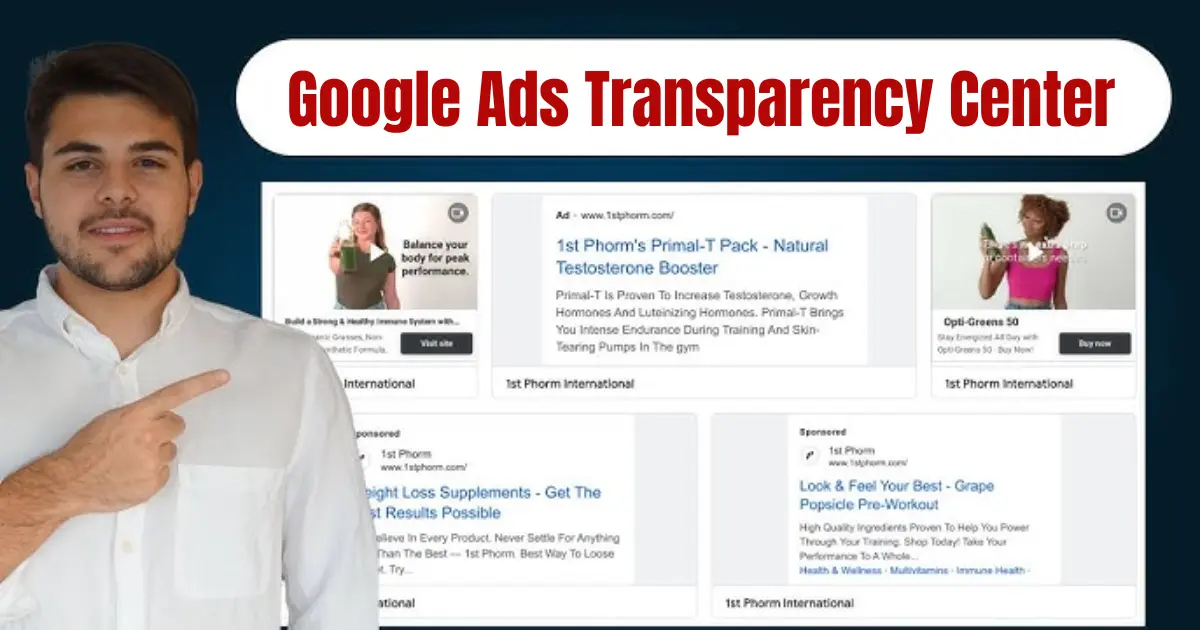
To address these concerns, Google introduced the Google Ads Transparency Center, a powerful tool designed to help users understand who is behind the ads they see. The platform provides valuable insights into advertisers, their campaigns, and the advertisements they run across Google’s services.
Whether you are a consumer looking to verify the legitimacy of an advertiser, a marketer researching competitors, or a business owner wanting to build trust with your audience, understanding the Google Ads Transparency Center is increasingly important.
This comprehensive guide explores what the Google Ads Transparency Center is, how it works, its key features, benefits, and why it matters in today’s digital advertising landscape.
What Is the Google Ads Transparency Center?
The Google Ads Transparency Center is a searchable online database that allows users to view information about advertisers and the ads they run on Google’s platforms.
The tool was created to improve transparency in digital advertising by giving users access to information that was previously difficult to obtain. Instead of wondering who is behind an advertisement, users can now search for advertisers and review details about their advertising activities.
The Transparency Center enables people to:
- Search for advertisers.
- View active and past advertisements.
- Verify advertiser identities.
- Explore political advertising information.
- Understand how brands promote their products and services.
The platform reflects Google’s broader commitment to creating a safer and more trustworthy advertising ecosystem.
Why Google Created the Ads Transparency Center
Digital advertising influences purchasing decisions, public opinion, and consumer behavior on a massive scale. However, concerns have emerged regarding:
- Misleading advertisements.
- Fake businesses.
- Scam promotions.
- Political misinformation.
- Hidden sponsorships.
- Lack of advertiser accountability.
Google recognized that users need more visibility into who is paying for advertisements and why those ads are appearing.
The Google Ads Transparency Center was developed to increase accountability and help users make informed decisions. By providing access to advertiser information, Google aims to strengthen trust between consumers, advertisers, and the advertising platforms they use.
Transparency benefits everyone involved:
- Consumers gain confidence.
- Businesses build credibility.
- Regulators gain oversight.
- Advertisers demonstrate legitimacy.
How the Google Ads Transparency Center Works
The platform functions as a searchable database containing information about verified advertisers.
When an advertiser runs ads through Google Ads, certain information may become available within the Transparency Center. This includes advertiser verification details and examples of advertisements that have been displayed.
Users can search by:
- Advertiser name.
- Business name.
- Website domain.
- Organization name.
- Political entity.
After entering a search query, the system displays relevant advertiser profiles along with associated advertisements.
The information presented helps users understand:
- Who created the ad.
- What products or services are being promoted.
- Which regions the ads target.
- Whether the advertiser has completed identity verification.
This level of transparency makes it easier to evaluate the credibility of advertisements encountered online.
Advertiser Verification and Its Importance
One of the most significant aspects of the Google Ads Transparency Center is advertiser verification.
Google requires many advertisers to complete identity verification before running campaigns. The process may involve submitting documentation such as:
- Government-issued identification.
- Business registration documents.
- Tax records.
- Corporate information.
Once verified, advertisers receive a verification status that may appear within the Transparency Center.
Benefits of Advertiser Verification
Increased Trust
Users are more likely to trust advertisements from verified organizations.
Reduced Fraud
Verification helps reduce fake accounts and fraudulent advertising activities.
Improved Accountability
Advertisers become more accountable for the content they promote.
Better User Experience
Consumers can make more informed decisions when interacting with ads.
Verification plays a crucial role in maintaining the integrity of the online advertising ecosystem.
Key Features of the Google Ads Transparency Center
The Google Ads Transparency Center offers several powerful features that make advertising more transparent and understandable.
1. Advertiser Search
Users can search for companies and organizations running ads through Google’s advertising network.
This feature allows consumers to investigate unfamiliar brands before making purchases or providing personal information.
2. Ad Viewing History
The platform often provides access to advertisements that an advertiser has recently displayed.
This allows users to:
- Analyze marketing strategies.
- Compare campaigns.
- Monitor advertising trends.
3. Identity Information
Verified advertiser information may be displayed, helping users determine whether an advertiser is legitimate.
4. Political Advertising Transparency
Political advertisements often require additional disclosure.
The Transparency Center provides information about:
- Political advertisers.
- Election-related campaigns.
- Funding disclosures.
- Geographic targeting.
5. Public Access
Anyone can use the Transparency Center without needing a Google Ads account.
This open-access approach supports greater public awareness and accountability.
How Consumers Benefit from the Transparency Center
Consumers are among the biggest beneficiaries of the Google Ads Transparency Center.
Detecting Scams
Online scams continue to evolve and become more sophisticated.
Before engaging with a company, users can research the advertiser and review available information.
Verifying Business Legitimacy
A verified advertiser profile can provide additional confidence when evaluating unfamiliar businesses.
Understanding Advertising Practices
Consumers can gain insight into how brands market their products and services.
Making Better Purchasing Decisions
When users understand who is behind an advertisement, they can make more informed purchasing choices.
Improving Digital Literacy
The platform encourages users to think critically about online advertising and promotional content.
How Marketers Use the Google Ads Transparency Center
Digital marketers have discovered that the Transparency Center is also a valuable research tool.
Competitor Analysis
Marketers can examine competitors’ advertisements to understand:
- Messaging strategies.
- Promotional offers.
- Creative approaches.
- Seasonal campaigns.
Industry Research
Businesses can study advertising trends across specific industries.
Campaign Inspiration
Reviewing successful advertisements can spark ideas for future campaigns.
Market Positioning
Understanding how competitors communicate with their audiences helps businesses differentiate themselves.
Ad Creative Evaluation
Marketers can analyze design styles, headlines, and calls-to-action used by leading advertisers.
The Transparency Center effectively serves as a publicly accessible advertising intelligence resource.
The Role of Transparency in Digital Advertising
Transparency has become one of the most important topics in online advertising.
Consumers increasingly demand:
- Honest communication.
- Data privacy.
- Accountability.
- Authenticity.
Brands that embrace transparency often enjoy stronger customer relationships and greater long-term trust.
The Google Ads Transparency Center supports these objectives by helping users verify advertising claims and advertiser identities.
As digital advertising continues to evolve, transparency is likely to become even more important.
Businesses that prioritize openness will often gain a competitive advantage in increasingly crowded markets.
Political Advertising and Public Accountability
Political advertising presents unique challenges due to its influence on elections and public opinion.
To address these concerns, Google has implemented additional transparency measures for political advertisements.
The Transparency Center allows users to explore information related to political campaigns and election advertising.
This can include:
- Advertiser identities.
- Campaign disclosures.
- Ad content.
- Geographic targeting information.
These measures help promote informed civic engagement while reducing opportunities for deceptive practices.
Political transparency is particularly important during election periods when voters rely heavily on digital information.
How Businesses Can Build Trust Through Transparency
Businesses can leverage the principles behind the Google Ads Transparency Center to strengthen customer trust.
Complete Verification Requirements
Verified businesses often appear more credible to potential customers.
Maintain Accurate Information
Company names, websites, and contact information should remain consistent across platforms.
Use Honest Advertising
Avoid exaggerated claims and misleading messaging.
Focus on Customer Experience
Trustworthy advertising begins with delivering real value to customers.
Embrace Openness
Transparency extends beyond advertising and includes customer support, privacy practices, and business operations.
Companies that prioritize transparency often develop stronger brand loyalty and customer retention.
Common Misconceptions About the Google Ads Transparency Center
Several misconceptions surround the platform.
Misconception 1: It Shows Every Ad Ever Created
The Transparency Center does not necessarily include every advertisement ever published.
Availability may depend on policy requirements, verification status, and platform limitations.
Misconception 2: Only Marketers Use It
While marketers benefit greatly from the platform, consumers, journalists, researchers, and regulators also use it.
Misconception 3: Verification Guarantees Quality
Verification confirms identity but does not automatically guarantee product quality or customer satisfaction.
Consumers should still conduct their own research before making purchasing decisions.
Misconception 4: It Is Only for Political Ads
Although political transparency is a major feature, the platform covers many types of advertisers and industries.
Best Practices for Using the Transparency Center
To get the most value from the platform, users should follow several best practices.
Research Unknown Advertisers
Before engaging with unfamiliar businesses, check available advertiser information.
Compare Multiple Campaigns
Reviewing various advertisements provides a broader understanding of a company’s marketing strategy.
Verify Claims Independently
Transparency information should complement, not replace, independent research.
Monitor Industry Trends
Marketers can regularly review competitor activity to stay informed about emerging trends.
Stay Updated
Google continues to refine transparency initiatives, making it important to remain aware of new features and policies.
The Future of Advertising Transparency
The demand for advertising transparency is expected to continue growing.
Several trends are likely to shape the future:
Increased Verification Standards
Advertising platforms may require more rigorous identity verification procedures.
Greater Regulatory Oversight
Governments worldwide are introducing regulations focused on advertising accountability and consumer protection.
Enhanced User Controls
Consumers may gain greater visibility into why ads are shown and how targeting works.
Cross-Platform Transparency
More advertising platforms are likely to adopt transparency databases similar to Google’s approach.
Artificial Intelligence Monitoring
AI technologies may help detect misleading advertisements and improve platform safety.
The Google Ads Transparency Center represents an important step toward a more transparent and accountable digital advertising ecosystem.
Challenges and Limitations
Despite its benefits, the Transparency Center is not without limitations.
Incomplete Context
Viewing advertisements alone may not reveal the full marketing strategy behind a campaign.
Rapidly Changing Campaigns
Advertising campaigns can change frequently, making real-time analysis challenging.
Learning Curve
Some users may need time to understand how to interpret advertiser information effectively.
Verification Limitations
Verification confirms identity but cannot eliminate all risks associated with online transactions.
Even with these limitations, the platform remains one of the most significant transparency initiatives in digital advertising.
Why the Google Ads Transparency Center Matters
The importance of the Google Ads Transparency Center extends beyond advertising itself.
It represents a broader shift toward accountability and openness across the internet.
The platform helps:
- Protect consumers.
- Increase advertiser accountability.
- Improve trust in digital advertising.
- Support informed decision-making.
- Encourage ethical marketing practices.
As concerns about misinformation, fraud, and deceptive advertising continue to grow, transparency tools become increasingly valuable.
The ability to see who is behind an advertisement empowers users and strengthens confidence in online interactions.
Conclusion
The Google Ads Transparency Center is a major advancement in the effort to create a more trustworthy digital advertising environment. By providing visibility into advertiser identities, advertising activities, and verification status, the platform helps consumers make informed decisions while encouraging accountability among advertisers.
For consumers, it offers an additional layer of protection against scams and misleading promotions. For marketers, it serves as a valuable resource for competitor analysis and industry research. For businesses, it highlights the growing importance of transparency as a foundation for trust and long-term success.
As digital advertising continues to evolve, transparency will remain a critical factor in building meaningful relationships between brands and audiences. The Google Ads Transparency Center stands as a powerful example of how technology can be used to promote openness, credibility, and confidence in the online marketplace.
